
 EN
How should GGH manufacturers select enamel RTU powder?
For GGH manufacturers, selecting the appropriate enamel RTU powder is a critical step in ensuring the quality of GGH heat transfer components. This requires comprehensive consideration of multiple factors and making a rational choice based on specific production needs.
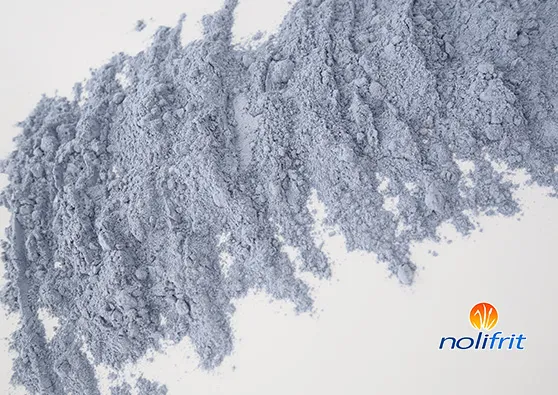
I.Selecting Based on Target Customer's Operating Conditions
The operating conditions for GGH vary across different industries and enterprises. For instance, flue gas composition, temperature, and dust content differ between thermal power plants and waste incineration plants. Even within the same industry, parameters may vary between different units. Therefore, when selecting enamel RTU powder, GGH manufacturers must first clarify the specific operating requirements of the target product. If the GGH operates in a flue gas environment with high concentrations of acidic substances, a more corrosion-resistant enamel RTU powder should be selected. Such powders typically incorporate additional acid-resistant components. If the customer's GGH operates at elevated temperatures, an enamel RTU powder with superior high-temperature resistance should be chosen to ensure stable coating performance under thermal stress.
II.Assessing the Quality Stability and Consistency of Enamel RTU Powder
The quality stability and consistency of enamel pre-ground powder directly impact the production quality and performance stability of GGH heat transfer elements. Significant fluctuations in the powder's composition, particle size, or melting properties can result in inconsistent enamel coating quality on the element surface. This may lead to defects such as pinholes, bubbles, or peeling, compromising protective effectiveness and heat transfer efficiency. Therefore, manufacturers must thoroughly evaluate suppliers' production capabilities, quality control systems, and historical product quality records during selection. Requesting suppliers to provide product quality inspection reports allows assessment of test results for composition analysis, particle size distribution, corrosion resistance, and high-temperature resistance. Additionally, on-site inspections of suppliers' production facilities can verify whether their equipment is advanced, processes standardized, and quality control procedures comprehensive—enabling judgment of product quality stability and reliability.
III.Aligning with Production Processes and Cost Budgets
GGH heat transfer element manufacturing processes may vary across different manufacturers. For instance, coating methods (spraying, dip coating, etc.), fire temperatures and times differ, and these process parameters are closely related to the performance requirements of enamel RTU powder. Therefore, when selecting enamel RTU powder, manufacturers must fully consider their own production process characteristics and choose products compatible with their specific processes. For instance, if a manufacturer employs a low-temperature sintering process, they should select low-temperature melting enamel RTU powder to ensure the coating can fully melt and sinter at lower temperatures, forming a sound coating structure.
Additionally, cost budgeting is a critical factor manufacturers must weigh when selecting enamel RTU powder. Prices vary across brands and performance grades. Manufacturers should balance their cost budgets with the need to ensure product quality meets customer requirements, opting for the most cost-effective solution. However, they must avoid prioritizing low cost at the expense of quality, as this may result in substandard GGH heat transfer elements, ultimately increasing subsequent quality risks and cost losses.
IV. Prioritize Technical Support and After-Sales Service from Enamel Glaze Suppliers
The application of enamel RTU powder involves multiple process steps such as coating and sintering. During actual production, various technical issues may arise, including poor adhesion and surface defects. In such cases, technical support from enamel glaze suppliers becomes particularly crucial. A reputable enamel glaze supplier provides specialized technical guidance to enamel manufacturers, helping optimize production processes, resolve technical challenges, and ensure the quality of the enamel coating. Comprehensive after-sales service is equally indispensable. Factors such as the supplier's ability to deliver promptly, respond swiftly to quality issues, and provide solutions directly impact the continuity and stability of the manufacturer's production. Therefore, when selecting a enamel powder supplier, enamel manufacturers should thoroughly evaluate their technical support capabilities and after-sales service standards. Prioritizing suppliers with strong technical expertise and high-quality service is essential for establishing long-term partnerships.