
 EN
In-Depth Analysis: Four Common Requirements for Water Heater Tanks
I. Corrosion Resistance: Defending Against Corrosion to Preserve Tank Integrity
Corrosion is the primary cause of tank damage, stemming from two threats: First, water quality erosion—chloride ions, sulfates, and other corrosive ions in tap water, along with pH levels deviating from neutral (excessively acidic or alkaline), continuously attack the tank's metal surface, accelerating material degradation. Second, the risk of electrochemical corrosion—when the tank's metal body contacts impurities in water or dissimilar metal components, it can create a micro-battery effect. This causes anodic metals to dissolve continuously, leading to long-term accumulation that eventually results in tank perforation and leakage. Therefore, effective corrosion resistance is an indispensable fundamental property of the tank.
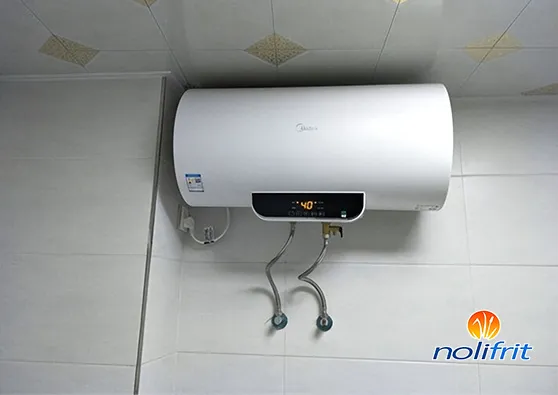
II. Pressure Resistance: Withstanding Dual Pressures to Ensure Structural Stability
The inner tank must endure dual pressure challenges over time: First, during heating, rising water temperatures cause internal steam expansion, leading to rapid pressure buildup. Second, municipal water mains maintain static pressures of 0.3–0.6 MPa, which can surge further during sudden water pressure fluctuations. Insufficient pressure resistance can easily lead to deformation, bulging, or even rupture—serious safety hazards. Thus, adequate pressure resistance is crucial for ensuring operational safety.
III. High-Temperature Resistance: Withstands Operational Temperature Fluctuations to Maintain Performance Stability
During daily operation, water heaters typically maintain temperatures between 40–75°C. While this range meets usage requirements, prolonged exposure to high temperatures accelerates metal oxidation and corrosion, imposing stringent demands on the structural integrity of the tank material. A high-quality inner tank must withstand repeated cycling within this temperature range over extended periods without material degradation or impairment to core functions like insulation and heating.
IV. Long Service Life: Extending Usage Cycle, Reducing Operating Costs
The lifespan of the inner tank directly impacts the overall value of the appliance. Once corrosion causes perforation, the water heater is essentially rendered unusable. This not only results in direct financial loss for the user but may also lead to secondary safety hazards such as wall damage from leaks or electrical short circuits. Therefore, the longevity of the inner tank is not only a core prerequisite for ensuring safe operation but also a significant advantage in reducing subsequent replacement and maintenance costs for users. It stands as a key consideration when selecting a water heater.