
 EN
How Enamel RTU Powder Has Gradually Been Applied to Various Enamel Fields
Throughout the history of enamel development, enamel glaze has consistently played a crucial role. Enamel frits can be adjusted according to the specific characteristics of enamel products by adding milling additives in specific proportions, which allows manufacturers to produce items that meet production standards and requirements. This feature has historically made frits popular among enamel producers. However, with technological advancements, enamel RTU powder is rapidly emerging in the market and is being widely applied in numerous critical fields.
Applications in Cookware
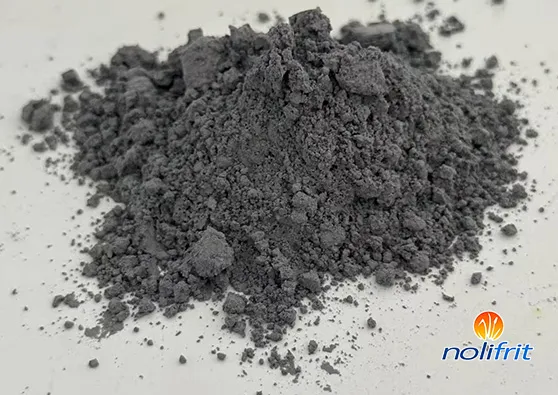
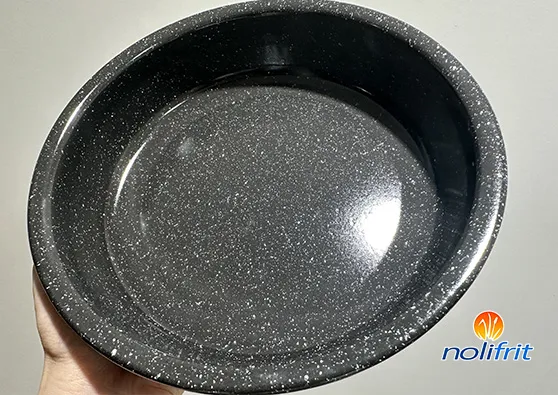
In the cookware sector, the use of enamel RTU powder is extensive. The black direct-on enamel RTU powder has seen particularly high sales, especially in matte and glossy finishes to meet diverse customer needs. The use of these powders significantly shortens manufacturing processes, enhancing production efficiency and enabling the efficient output of aesthetically pleasing and practical enamel cookware. For high-standard food contact enamelware, nickel-free RTU powder effectively reduces heavy metal content.
Industrial Equipment Protection
In the industrial equipment protection field, material performance requirements are extremely high. RTU powders designed to be resistant to acids and prevent copper head effects meet the needs of enamel manufacturers for corrosion resistance and acid durability. In the chemical industry, equipment like bolted tanks, corrugated plates, and heat exchange components are in constant contact with various corrosive chemicals. Enamel coatings made with acid-resistant RTU powders can effectively withstand strong acids and bases, extending equipment lifespan and reducing maintenance costs. Additionally, specialized RTU powders developed for water heater liners provide excellent high-temperature and water corrosion resistance, ensuring product durability.
Customization and Individuality
While enamel RTU powder excels in operational convenience and improving production efficiency, it generally does not offer the same level of differentiation and customization as enamel frits. Nonetheless, some enamel glaze manufacturers have broken this limitation by customizing RTU powders to meet specific requirements set by enamel producers.
Taking Nolifrit as an example, a enamel stove rack manufacturer needed a gray matte product. The R&D team developed a dedicated enamel RTU powder for this purpose. This gray matte enamel RTU powder features outstanding adhesion and is suitable for steel materials such as cold-rolled steel and stainless steel. After firing, it presents a unique gray matte effect, with stable color performance controlled at lab values of L: 37.34, a: -0.59, b: -0.51, ensuring color accuracy and consistency. Additionally, the matte value is at 6.7, providing a visually unique and appealing finish. This helped the brand establish a significant competitive advantage, and the product generated strong market response upon launch.